
Help with your pregnancy symptoms
Common Pregnancy & Postnatal Symptoms
As a midwife and a mother I understand how, pregnancy and life after birth bring remarkable physical and emotional changes. Your body naturally adapts — with hormonal shifts, increased blood volume, softening of joints, and changes in posture, digestion, circulation, and breathing. These normal changes can lead to common symptoms such as, back, pelvic pain, nausea, indigestion, constipation, piles, swollen feet, legs, fatigue, and mood shifts, to name a few.
You and your body deserve care. Taking time to rest and be supported is part of caring for you and your baby.
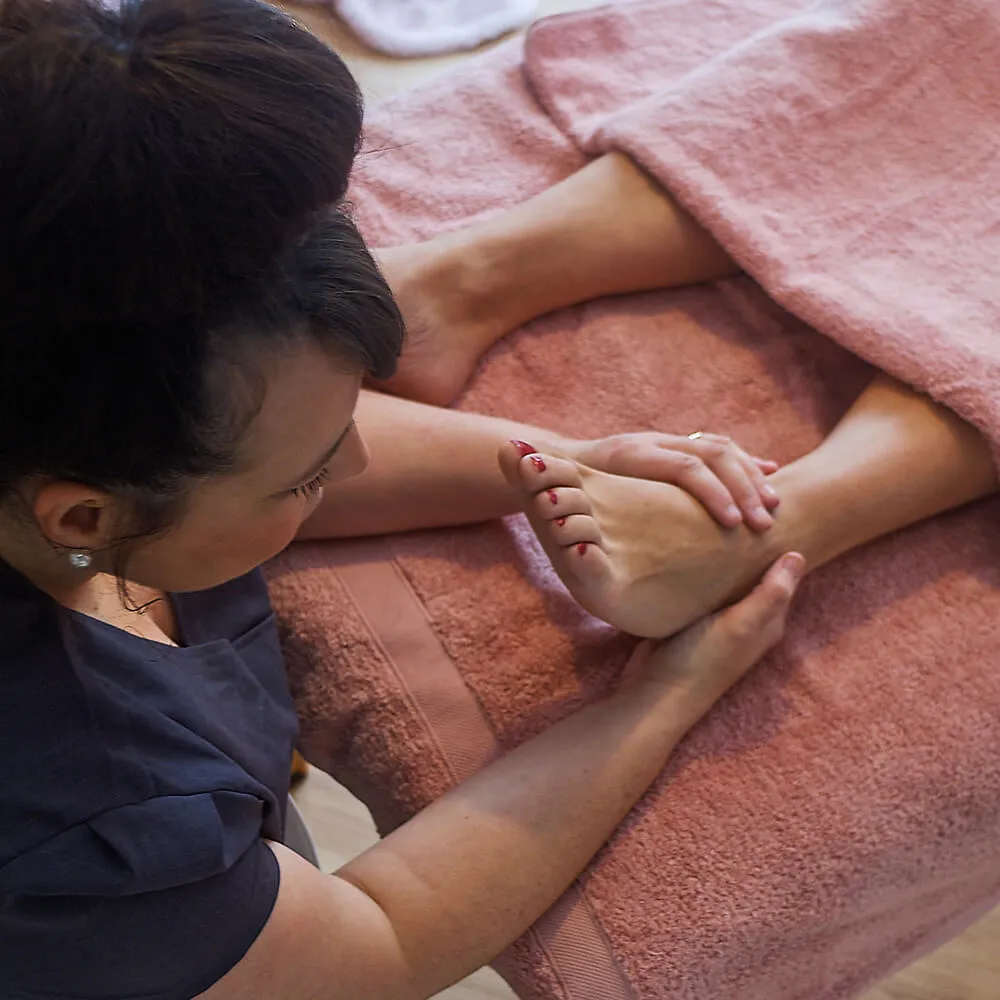
The birth preparation midwife can support you with the changes and symptoms of pregnancy ,using massage, reflex zone therapy, aromatherapy and more (treatments may also include an aromatherapy blend to keep). I will make a treatment using one of the above therapies or a combination depending on you individual needs - £65 for 60 minutes, longer treatments will be priced according (moxibustion breech, prolonged pregnancy).
Our personalised treatments are designed to help ease your discomforts, support your recovery and offer you relaxation.
Indigestion and heartburn are common in pregnancy as your body adapts to hormonal changes and the growing baby. Pregnancy hormones relax the valve between your stomach and oesophagus, and the expanding uterus can press on your stomach, which allows acid to rise and sometimes causes a burning sensation in the chest or discomfort after eating. You may feel bloated, heavy, or notice food feels more difficult to digest. Although uncomfortable, these symptoms are a normal part of pregnancy. With gentle, personalised guidance, your body can be supported to ease discomfort, improve digestion, and help you feel more comfortable. The Birth Preparation Midwife offers treatments and strategies to support your body through these changes.
Swelling and general aches are common in pregnancy because your body carries extra fluid, blood volume, and weight to support your growing baby. This can strain muscles and joints, leading to heaviness, stiffness, or aching in the feet, ankles, and legs. You may notice swelling by the end of the day or after prolonged standing, and it can sometimes make walking or movement uncomfortable. These changes are a natural part of pregnancy. Gentle, nurturing treatments can encourage circulation, relieve tension, and help your body feel lighter and more comfortable. The Birth Preparation Midwife offers personalised therapies to support you through these normal adaptations.
Constipation and piles are common during pregnancy because hormones slow digestion and blood fl ow changes can cause veins to swell. You may notice difficulty passing stools, harder or less frequent bowel movements, or discomfort and swelling in the rectal area. While uncomfortable, these changes are a normal part of how your body adapts in pregnancy. With personalised care, dietary guidance, gentle therapies, and practical strategies, your body can be supported to ease discomfort and improve comfort and function. The Birth Preparation Midwife can help you manage these symptoms safely and effectively.
Feeling anxious or worried is very common in pregnancy. Hormonal changes, sleep disruption, and the many adjustments of preparing for a baby can increase tension, racing thoughts, and difficulty relaxing. You may notice heightened alertness about your baby, difficulty switching off, or general unease. These feelings are a normal part of pregnancy. With gentle, nurturing approaches, your nervous system can be encouraged to calm, helping you feel more settled and supported. The Birth Preparation Midwife offers personalised therapies and complementary techniques to help ease anxiety and improve emotional wellbeing.
Carpal tunnel syndrome can develop during pregnancy as your body holds onto extra fluid, which can put pressure on the nerve that runs through your wrist. You may notice tingling, numbness, or “pins and needles” in your hands or fingers, often worse at night, and sometimes difficulty gripping objects. Although uncomfortable, this is a normal change during pregnancy and usually improves after birth. With gentle, personalised therapies and hand exercises, your body can be supported to relieve pressure and ease symptoms. The Birth Preparation Midwife can help you feel more comfortable and maintain hand function throughout pregnancy.
Some women notice producing more saliva than usual in early pregnancy. This can happen due to hormonal changes affecting the salivary glands or as a reaction to nausea. You may find eating, speaking, or swallowing uncomfortable at times. Although less common, this is a normal part of pregnancy. Gentle, personalised strategies and therapies can help your body manage these changes, easing discomfort and helping you feel more at ease. The Birth Preparation Midwife offers support to make this symptom more manageable.
Sleep changes are very common during pregnancy and after birth. Hormonal changes, especially rising progesterone, can cause lighter, more broken sleep. As your body works harder, you may need to pass urine more often at night, and physical discomfort can make it harder to get comfortable. Many women also notice more vivid dreams.
In later pregnancy, your body naturally produces more adrenaline at night. This is thought to help prepare you for waking to care for your baby after birth. You may also feel a little anxious about labour and birth. After birth, further hormone changes, feeding patterns, and increased alertness can continue to affect sleep, even when you feel exhausted.
These sleep changes are normal, and support is available. Gentle complementary therapies and relaxation can help calm your body and support better rest.
Some women experience sciatica during pregnancy. This happens when a nerve that runs from the lower back, through the bottom, and down the leg becomes irritated as your baby grows and the womb presses lower into the pelvis.
You may feel sharp or shooting pain, tingling, numbness, or aching in the bottom or down one leg. These sensations may come and go and can be uncomfortable.
Sciatica is a common and normal pregnancy symptom for many women. Gentle, supportive therapies can help ease discomfort and support your body as it adapt